Figma
Complete Web & Mobile Designer: UI/UX, Figma, +more
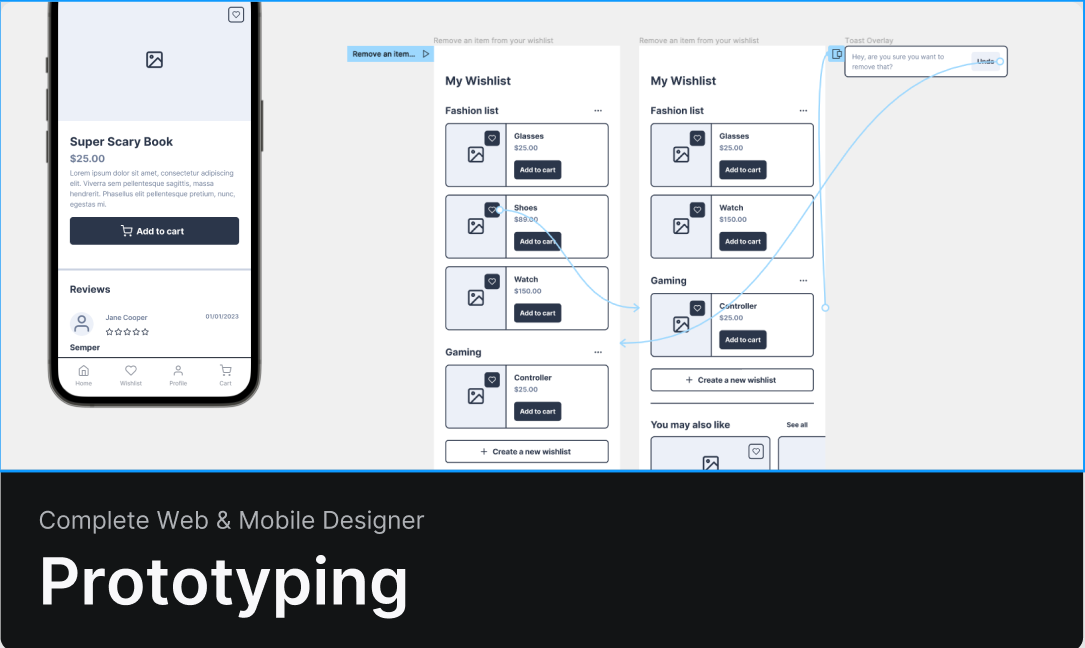
Prototyping section with lower fidelity, higher-level designs.
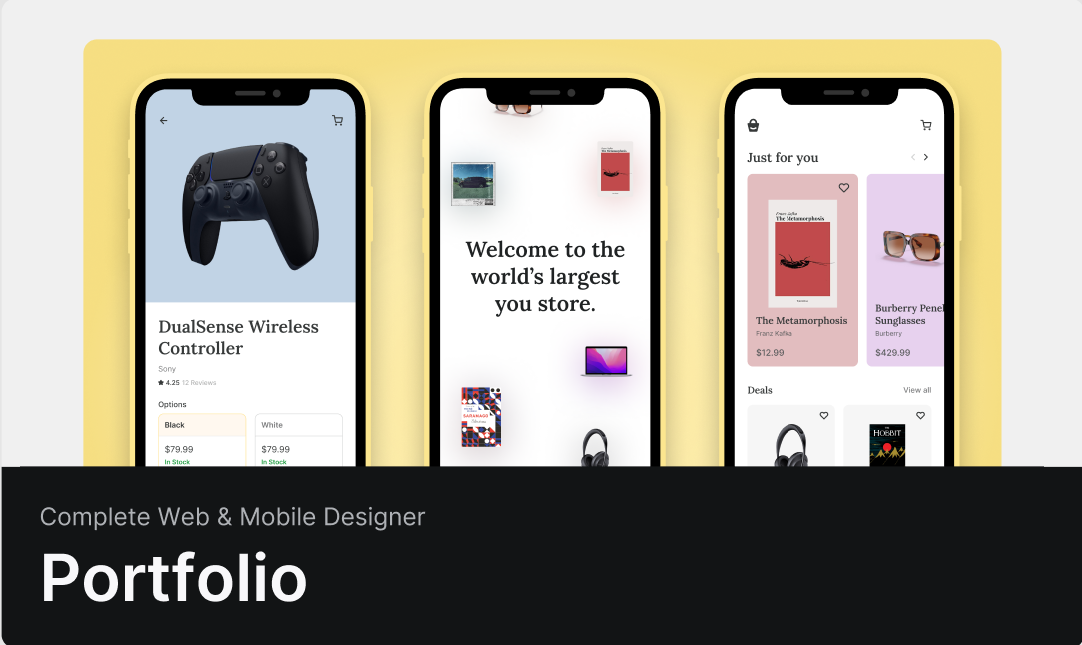
Final Design of the E-commerce mobile application.
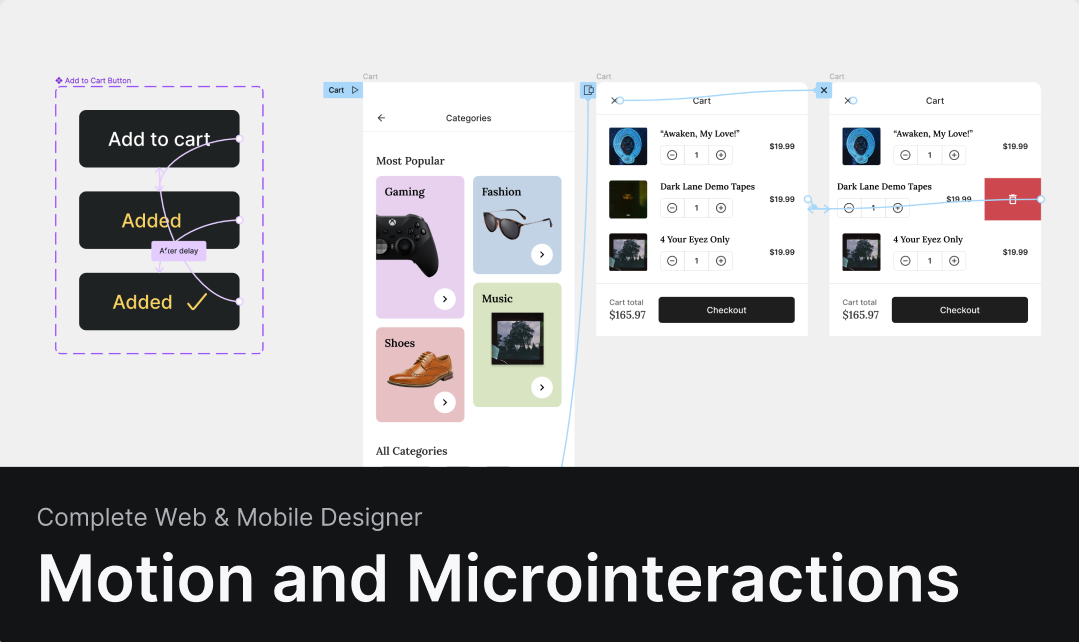
Working with motion, micro interactions and animations in Figma.
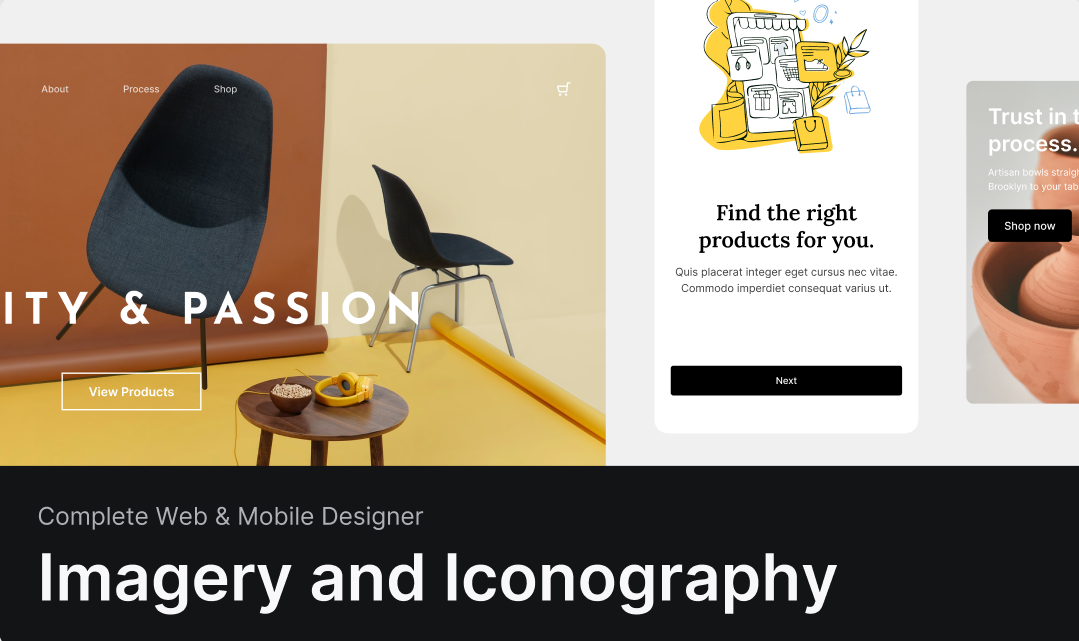
Working on imagery and iconography in Figma.
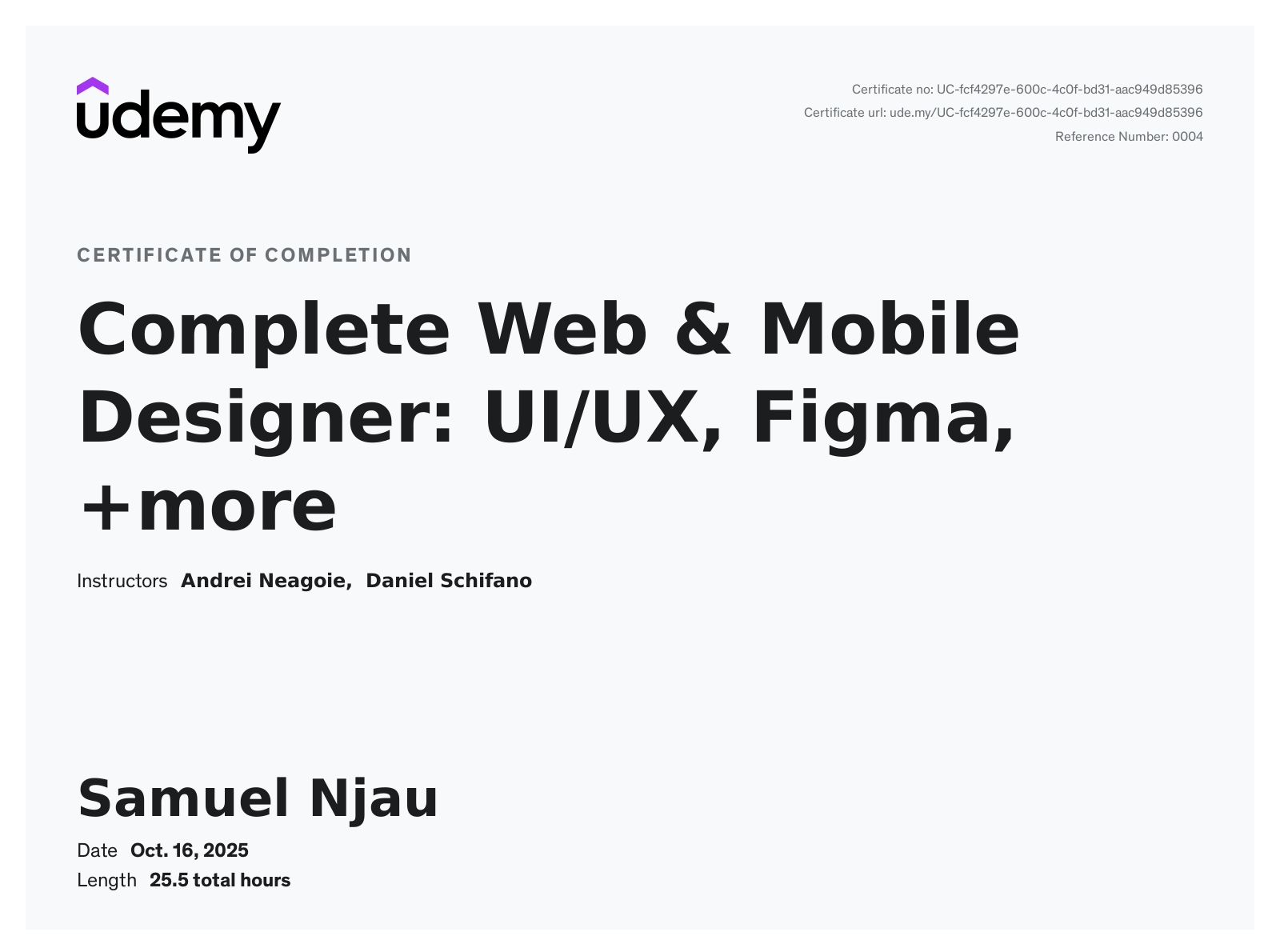
In this course, I mastered the end-to-end product design process, transitioning from fundamental sketching and wireframing to building high-fidelity, professional interfaces. I gained hands-on experience using Figma to create responsive designs, interactive prototypes, and robust design systems while implementing industry best practices for accessibility and visual theory. By working through real-world workflows, I learned how to balance aesthetics with user experience, ensuring every design is both functional and visually compelling.
Beyond the visual aspects, I bridged the gap between design and development by learning to translate my creative concepts into live digital products. I developed a strong technical foundation in HTML5 and CSS3, including advanced layout techniques like Flexbox and CSS Grid, which allows me to build out the designs I create. This comprehensive training has equipped me with a versatile skill set, enabling me to handle everything from initial user flow brainstorming to the final deployment of a functional website.
During this course, I completed the following nine sections:
Section 1: Web & Mobile Design Principles, Sketching, and Figma Basics
Section 2: Explore and Iterate – Wireframes, Prototyping, and Feedback
Section 3: Visual Design – Design Theory and Accessibility
Section 4: Design Exploration – Application Design and Design Systems
Section 5: Putting It All Together – Building Design Systems and Hi-Fi Prototyping
Section 6: From Figma to Website – Converting Designs to Live Code
Section 7: HTML + HTML5 Fundamentals
Section 8: CSS + CSS3 – Layouts, Flexbox, Grid, and Animations
Section 9: Putting Your Website Online – Deployment and Final Delivery
Instructor's Comments
This comprehensive design course is taught by industry veterans with experience at top Silicon Valley firms and is designed to transition students from total beginners to professional-grade designers. The curriculum focuses on high-demand skills in Web, Mobile, UI, and UX design, utilizing modern tools like Figma to simulate real-world workflows. Students gain access to a community of over 900,000 learners and receive more than 100 premium assets and templates, aiming for high-salary roles at leading tech companies such as Google, Amazon, and Meta.
The training follows a hands-on approach that covers the entire lifecycle of a design project, beginning with sketching, sitemaps, and wireframing before moving into advanced visual theory and accessibility. As the course progresses, students explore complex topics like design systems, micro-interactions, and high-fidelity prototyping. The program concludes with a technical bridge into web development, teaching students how to convert their final designs into functional websites using HTML5 and CSS3, including modern layout techniques like Flexbox and CSS Grid.